Systemic Coaching Level 1
A 6-month professional training in coaching as social action — designed and taught live by Cloe Madanes, founder of the strategic approach to coaching.
100 hours of live teaching, real client interventions, and hands-on practice — the foundational program for coaches who lead, not just listen.
“The only reality is in action.”
“Not acting is itself an action.”
What Systemic Coaching Level 1 Is
Systemic Coaching Level 1 is a 6-month training in coaching as social action — the practice of helping people take action in the moments of stress, conflict, and crisis that most coaching approaches are trained to sit with rather than move through.
Where many coaching programs train the coach to listen, reflect, and draw insight from the client, this program trains the coach to lead: to diagnose what a relationship, family, or system actually needs, and to design the specific action that produces change.
Each week combines a live lecture and Q&A with Cloe Madanes, recorded demonstrations of her working directly with real clients, and a hands-on practice lab. Across 6 months, the program covers conflict resolution, shame and guilt, parental estrangement, family violence prevention, life transitions, and the full range of situations a coach is asked to meet.
Built for People Who Work With People
No prior coaching experience is required. What the program asks for is a serious commitment to 6 months of live, structured training.
Aspiring coaches building a professional foundation from the ground up
Practicing coaches adding a systemic, directive methodology to their work
Therapists incorporating coaching skills alongside clinical practice
Team leads and consultants applying coaching frameworks to organizational work
Physicians, lawyers, educators, and business owners who lead people day to day
Four Questions, Asked in Every Session
Systemic Coaching rests on four directive questions the coach works through with every client, on top of three principles that define the approach.
Who needs help?
What needs to be done?
What can I do?
How can I prevent future crisis?
- Coaches are leaders — and part of the job is creating leaders.
- The only reality is in action; not acting is itself an action.
- Neutrality in situations of conflict or abuse is a form of siding with the harm.
How the 6 Months Are Structured
One method, taught the same way every week.
- Live Zoom class — 2 hours, weeklyWednesdays at 11am PT. Lecture, Q&A, and live coaching interventions with Cloe Madanes. Every session is recorded.
- Practice lab — 1 hour, weeklyHeld immediately after class. Students coach each other under guided conditions. Optional, strongly recommended.
- On-demand curriculum library14 modules and 20+ real client intervention recordings, available at all times.
- WorkbooksWritten materials provided for every module to support learning and reflection.
14 Modules, 100 Hours of Training
Each module builds on the one before it, moving from foundational principles to advanced intervention across the situations coaching is asked to meet.
The Foundations of Systemic Coaching
What coaching is, why systemic thinking matters, and why the coach — not the client — leads the session.
Outcome: A working definition of systemic coaching and how it differs from facilitation-based models.
Session Architecture
How to plan a session, structure an engagement, and decide what gets worked on rather than letting the client set the agenda.
Outcome: The ability to walk into any session with intention and direction.
Reading the System
Looking past the individual in front of you to see the relationships and dynamics that shape their situation.
Outcome: A working method for diagnosing what's actually driving a client's problem.
Designing the Directive
The strategic intervention: the specific action a client takes that changes the dynamic, and how to design one that fits.
Outcome: The ability to give a client something to do, not just something to think about.
Coaching Through Conflict
Working with situations where tension, resentment, or disagreement is the core dynamic, without taking a side.
Outcome: A structured approach to conflict cases many coaches avoid.
Couples Work
The systemic approach to couples coaching — reading the dynamic between two people, not each partner's individual complaints.
Outcome: A structured framework for working with couples.
Family Dynamics and Estrangement
Coaching inside families — parents and children, siblings, in-laws, and multi-generational patterns, including cutoffs.
Outcome: Tools for working with family conflict without getting pulled into the system.
Shame, Guilt, and Betrayal
The emotional territory many coaching programs avoid: working with clients carrying deep shame, guilt, or the aftermath of betrayal.
Outcome: A method for approaching difficult emotional material with structure.
Life Transitions
Midlife crisis, career change, loss, illness, and retirement — helping clients move through transition rather than around it.
Outcome: A systemic lens on the major transitions clients bring to coaching.
Addiction, Compulsion, and Pattern
Working with clients repeating behavior they want to stop, and the coach's role and its limits.
Outcome: Clarity on what coaching can do with compulsive patterns, and when to refer.
Preventing Family Violence
How coaches and practitioners can intervene early in patterns that tend toward harm — a grounded, responsible approach.
Outcome: Skills for recognizing and working with high-risk family dynamics.
Reframing and Strategic Language
The language moves inside the method: how Cloe talks to clients and why her framings shift what clients can see.
Outcome: A more precise, deliberate way of speaking inside your own sessions.
Coaching Leaders and Professionals
Applying the systemic method to leaders, executives, and professionals who hold responsibility for other people.
Outcome: The ability to work with clients whose situations involve teams or organizations.
Integration and Practice
Bringing the full method together, integrating it into your own practice, and building your first case pipeline.
Outcome: A clear plan for applying what you've learned, starting the week the program ends.
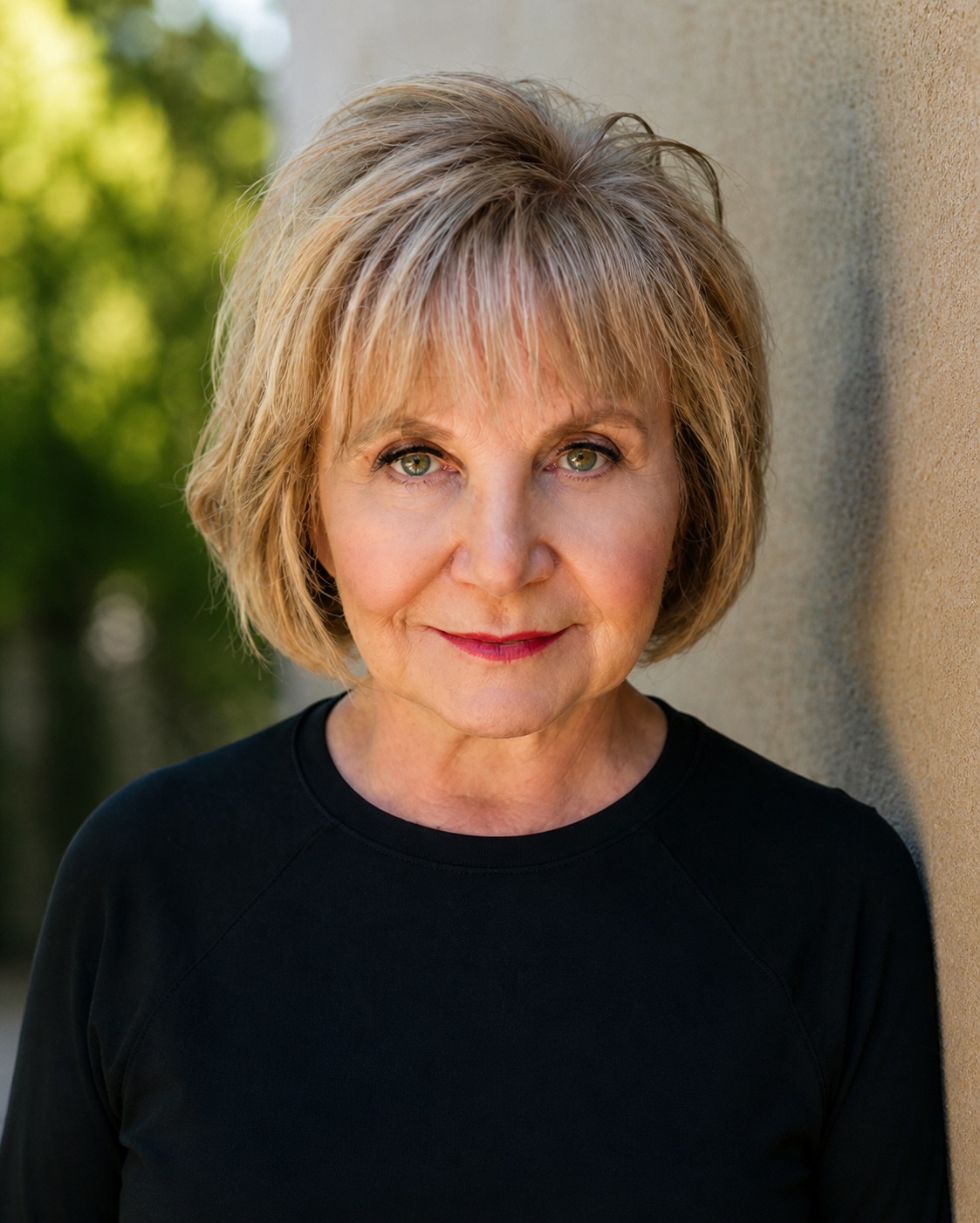
Cloe Madanes
Cloe Madanes is one of the most influential figures in the history of family therapy and systemic intervention. She is the founder of the strategic approach to coaching, the author of ten books taught at universities worldwide, and has trained more than 50,000 coaches, therapists, and helping professionals across her career. She collaborated with Tony Robbins for 15 years, co-creating one of the most widely taught coach-training programs in the field.
In Systemic Coaching Level 1, Cloe teaches live every week. Students learn her method directly from her — not from a facilitator working with her material — and watch her work with real client situations in real time.

What You'll Be Able to Do
By the end of Systemic Coaching Level 1, you will be equipped to:
Explain Systemic Coaching to clients and differentiate it from other approaches
Design and deliver directive interventions that produce change between sessions
Work with couples, families, parents, and organizational teams — not just individuals
Recognize and navigate shame, guilt, defense mechanisms, and disqualifying communication
Resolve conflict in couples and families using structured, proven strategies
Guide clients through parental estrangement and family crisis
Recognize warning signs of family violence and apply prevention steps
Build and market a systemic coaching practice
Investment & Enrollment
If you're not completely satisfied within the first 14 days of the program, you'll receive a full refund — no questions asked.
Included With Enrollment
Questions About the Program
Do I need prior coaching experience?
No. The program is designed for both people starting their coaching journey and experienced practitioners who want to add a systemic method to their work. Therapists, leaders, educators, consultants, and professionals in adjacent fields are also welcome.
How much time does the program require?
A 2-hour live class each week, an optional 1-hour practice lab immediately after, and on-demand modules you can work through at your own pace. Most students train alongside full-time work or an existing practice.
Is this a certification program?
Graduates receive a credential from the Madanes Institute confirming their training in Systemic Coaching Level 1.
Is Systemic Coaching the same as therapy?
No. This is coaching, not therapy. The method is grounded in clinical and psychological evidence, and Cloe's own background is in family therapy, but what you're training in is coaching as a discipline — helping people take action in their lives, relationships, and work. If you're already a licensed therapist, the method adds a strategic, directive layer to your existing clinical practice.
Who teaches the program?
Cloe Madanes teaches the full 6-month program live, from start to finish. Keith Leonard, the Institute's leadership educator, teaches the two-class executive coaching bonus module.
What's the investment?
Tuition is $4,990 paid in full, or choose a payment plan: 3 payments of $1,663.33, or 7 payments of $712.86.
When does the next cohort start?
Cohorts run periodically throughout the year. See the enrollment section above for current start dates and availability.
Ready to train in Systemic Coaching?
Join the next cohort of Systemic Coaching Level 1 with Cloe Madanes.
Book a Call